Best Android tablets 2026: personality and features
Android tablets in 2026 aren't one thing. The same shelf holds a pocket-sized Netflix machine for the morning commute, a keyboard-clad productivity tool for spreadsheets on the train, and a scratch-resistant slab you hand to a five-year-old without flinching. Finding the best android tablet for 2026 starts with one question: what will you use it for, every day?
Skip the single crowned winner other roundups reach for. Here's what separates a flagship chipset from a mid-range one, how AMOLED and IPS displays feel different in daily use, and which specific Samsung, Xiaomi, Honor and Lenovo tablets earn their price tag, refurbished and ready to go.
Why an Android tablet? Basically, more freedom
Every Android tablet, from a budget Lenovo to a flagship Samsung, runs on the same open philosophy: you choose the brand, the price tier and the size that fits your life, not the other way round. Widgets live wherever you put them. Files sit in a real folder structure you can browse directly. Want a different launcher, a side-loaded app, a full file manager? Go ahead.
That openness is the whole pitch, before a single spec sheet gets involved.
What actually matters when choosing an Android tablet
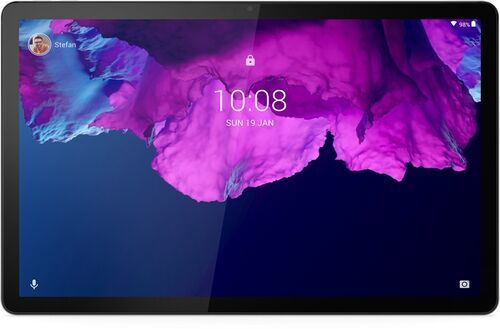
Chipset tier decides more than benchmark scores. A flagship processor like the Dimensity 9400+ inside the Galaxy Tab S11 Ultra keeps a dozen browser tabs and a video call open without a stutter. A mid-range chip, the kind Xiaomi and Honor put in their tablets, handles everyday multitasking fine, it just starts to show its limits under heavy gaming or video editing. An entry-level chip, like the Helio G88 in the Lenovo Tab M11, is built for streaming, reading and browsing, not much beyond that.
Display technology changes how a tablet feels, not just how it looks on a spec sheet. AMOLED panels punch deeper blacks and richer colour, and they sip less battery on dark interfaces. IPS panels, still the majority here, are dimmer in direct sunlight but perfectly sharp for reading, browsing and video. A higher refresh rate, 120Hz or 144Hz, makes scrolling and swiping feel noticeably smoother.
Stylus support is a workflow question, not a checkbox: if you plan to annotate PDFs or sketch, look for a tablet that ships with a pen included, not one sold separately. Check how many years of Android updates a model still has ahead of it, too. That number, more than the chip inside, decides how long a tablet stays useful.
The productivity gap between Android tablets and laptops keeps closing every year. Split-screen multitasking and desktop modes like Samsung DeX turn a tablet into a real second screen for spreadsheets, email and browser tabs side by side.
Which Android tablet fits your life?
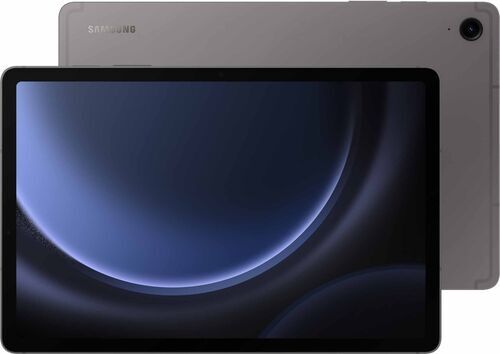
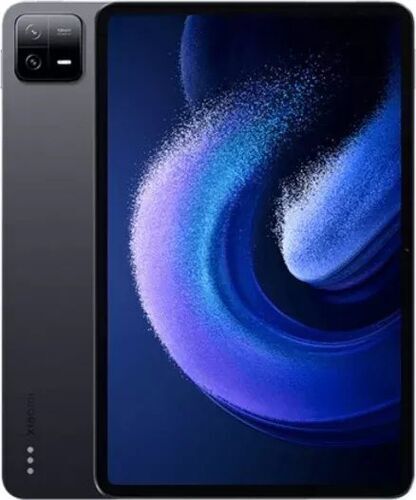
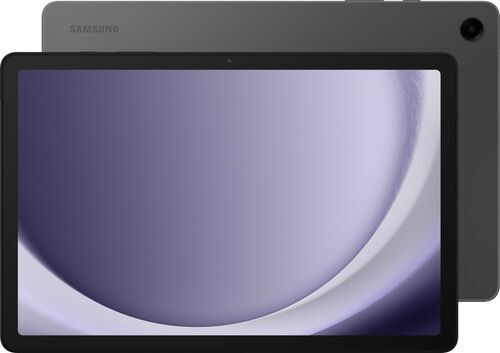
Not every Android tablet making headlines this year is one refurbed currently stocks. If you're chasing the Pixel Tablet's smart-display dock, a Red Magic or Lenovo Legion Tab for gaming, or the OnePlus Pad 3's multitasking mode, keep watching this space. For everyone else, four real, tested tablets already cover most everyday needs:
Four real Android tablets, four different everyday jobs
The iPad question every Android tablet buyer asks
Every 'best tablet' comparison eventually circles back to one benchmark: the iPad Pro. Android tablets get measured against it constantly, on build quality, on app polish, on how the display looks in a product photo.
Here's the honest answer: Android tablets don't need to win that fight. What they offer instead is the freedom described above: real choice of brand and price, an open file system, and a much wider ladder from budget to flagship than a single manufacturer can offer. Add refurbished pricing and verified environmental savings on top, and the value case stands on its own.
Still torn between ecosystems? The iPad buying guide breaks down which iPad model fits which kind of reader.
Samsung vs Xiaomi vs Honor vs Lenovo: four Android tablet philosophies, one price ladder
Display
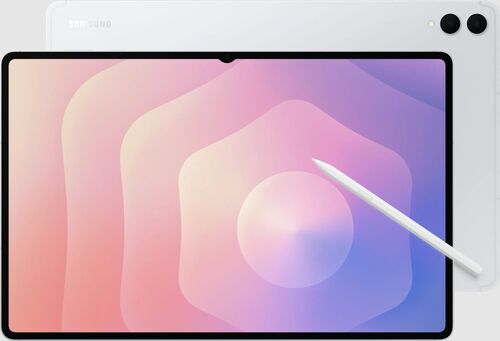
14.6" AMOLED, 120Hz
Chipset
MediaTek Dimensity 9400+
Battery
11,600 mAh
Weight
692 g
Operating System
Android 16 and higher
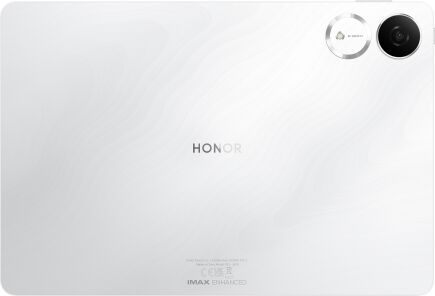
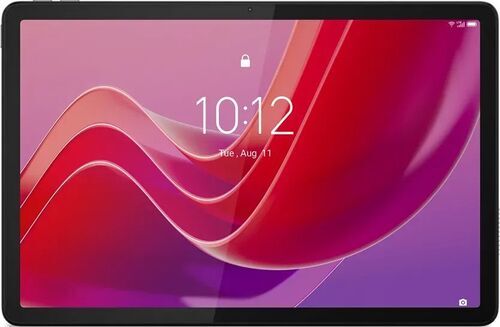
11.5" IPS
MediaTek Dimensity 8350
10,100 mAh
475 g
Android 15 and higher
Staying in one ecosystem? Samsung's own tablet ladder explained
Prefer to stay inside one ecosystem end to end? Samsung's own Galaxy Tab range covers nearly the same spread on its own, flagship to entry, all running the same One UI software and Samsung DeX desktop mode.
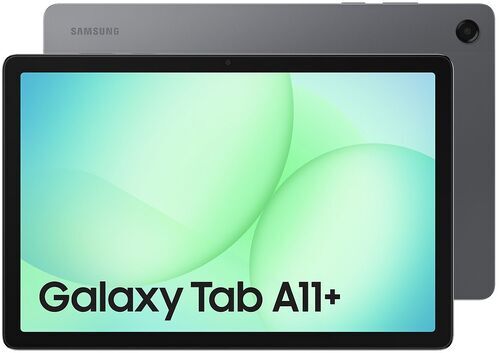
At the top, the Galaxy Tab S11 Ultra brings a 14.6" AMOLED display built for split-screen work. The Galaxy Tab S11 fits the same chipset and display technology into an 11" body, a more pocketable, still fully capable option. Step down to the Galaxy Tab S9 FE and you land in what plenty of reviewers call the sweet spot: an included stylus, a 90Hz IPS display, and a noticeably lower price for daily use that doesn't demand flagship power. At the entry point, Samsung's everyday Galaxy Tab A-series (Tab A9+ included) trades some display polish for a low price. Streaming, browsing and reading are covered without paying for hardware you won't use.
That same flagship-to-entry ladder is what the next section measures in kilograms of CO2 and litres of water saved.
The environmental math: what refurbished actually saves, tier by tier
Here's a concrete example, not a rounded-off industry average: the same four Galaxy Tab tiers, flagship to entry, and what buying each one refurbished instead of new avoids, according to Fraunhofer Austria's lifecycle research (verified to ISO 14040/14044 standards).
↓ Galaxy Tab S11 Ultra (256GB): 130 kg CO2 saved (82% less than new), 59,161 litres of water saved (91% less), 691.6 g of e-waste avoided (97% less).
↓ Galaxy Tab S11 (128GB): 87.8 kg CO2 saved (81% less), 39,943 litres of water saved (91% less), 469.1 g of e-waste avoided (96% less).
↓ Galaxy Tab S9 FE (128GB): 100 kg CO2 saved (83% less), 45,003 litres of water saved (92% less), 521.8 g of e-waste avoided (96% less).
↓ Galaxy Tab A9+ (64GB): 90.3 kg CO2 saved (82% less), 40,955 litres of water saved (91% less), 479.1 g of e-waste avoided (96% less).
Buy the flagship or buy the entry model: on refurbed the saving compared to new holds steady across the whole tier ladder.
Android tablet buying guide: frequently asked questions
Is a refurbished Android tablet safe to buy?
Yes. Every tablet on refurbed is tested, cleaned and backed by a minimum 12-month warranty and a 30-day return window, so a refurbished purchase carries far less risk than an untested second-hand listing.
How many Android software updates will I get?
It depends on the brand and tier. Flagship Samsung tablets like the Galaxy Tab S11 Ultra typically get several years of major Android updates, while budget and mid-range models get fewer. Check the specific model's update policy before buying, especially on entry-level tablets.
Android tablet or iPad: which should I choose?
Neither wins outright. Pick an Android tablet for open file access, a wider price ladder and brand choice. Pick an iPad for tighter hardware and software integration. Refurbished pricing makes either option more affordable.
Do I need the top-tier chipset?
No, not for most people. A mid-range chip like the ones in the Xiaomi Pad 6 or Honor Pad V9 handles browsing, streaming and note-taking without trouble. Save the flagship chipset for heavy gaming or serious multitasking.
Which Android tablet is coming home with you?
Flagship productivity: the Galaxy Tab S11 Ultra. Balanced mid-range with a stylus included: the Galaxy Tab S9 FE. High refresh-rate entertainment: the Xiaomi Pad 6. Everyday and family use without overpaying: the Galaxy Tab A9+.
Every option above is tested, cleaned and covered by warranty on refurbed, at an affordable price and a smaller footprint than buying new. Pair it with a sustainable tablet case and it's ready for daily use.

Sign up for our newsletter for the first time and save €15!
Never miss an offer again.
Information about the use of personal data can be found in our Privacy policy.
Get the refurbed app
For iOS and Android


Confirm sign-up
Click the link in our confirmation e-mail to receive your voucher. It will be applicable to purchases from €200.
- © Refurbed Marketplace GmbH
- Accessibility
- T&C
- Privacy Policy
- Imprint
- Legal Notices
- European Data Act
- Cookie Policy