Best Smartwatches 2026: How to Choose the Right One, Refurbished
Every brand claims its watch is the smartest, the longest lasting, or the most precise when tracking health metrics. With dozens of models from Apple, Samsung, Google and Garmin, picking the right one comes down to your life, not the spec sheet.
Whether you're an iPhone owner who wants tight integration, training for a race, or choosing a first watch for a child, there's a refurbished match below with the same specs as new, at a lower price.
Why buy refurbished?
- Save money compared to buying new
- Fully tested and 100% functional
- Minimum 12-month warranty and 30-day free returns
- Less e-waste sent to landfill
Which of the Best Smartwatches 2026 Fits Your Life?
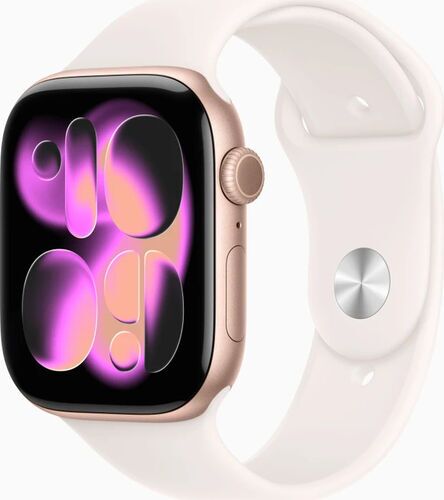
iPhone owner who wants deep integration → Apple Watch Series 11: Handoff, message replies, and Apple Pay, all built in.
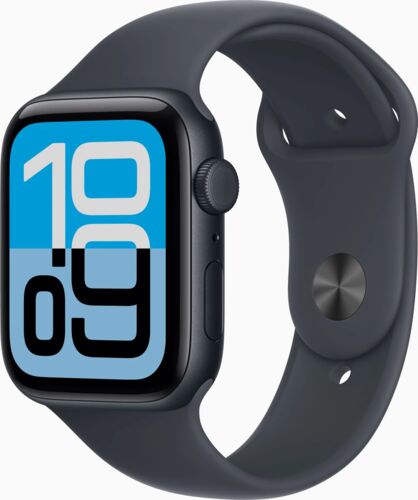
Tight budget or a first smartwatch → Apple Watch SE 3: the core Apple Watch experience without the premium price tag.
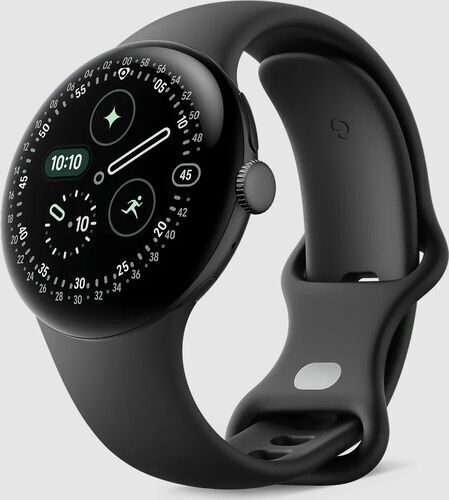
Android user who wants deep Google integration → Google Pixel Watch 4: built around Wear OS and Google's own apps.
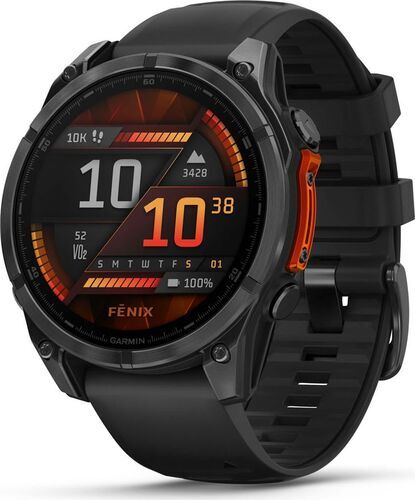
One watch for a household split between iPhone and Android, or serious training data → Garmin Fenix 8: works equally well with either phone and tracks structured training across multiple sports.
Small wrist or you want detailed sleep tracking → Galaxy Watch 8: a compact 40mm case built around health insight.
Our Best Smartwatches 2026 Picks, Refurbished
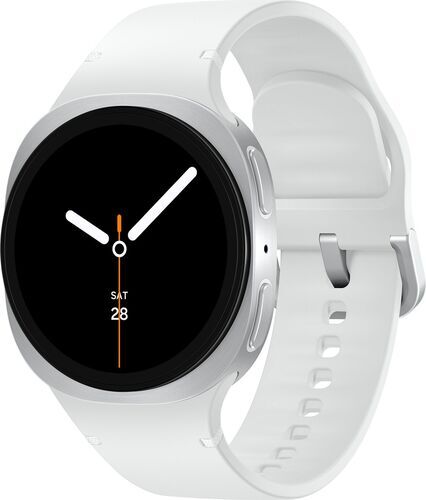
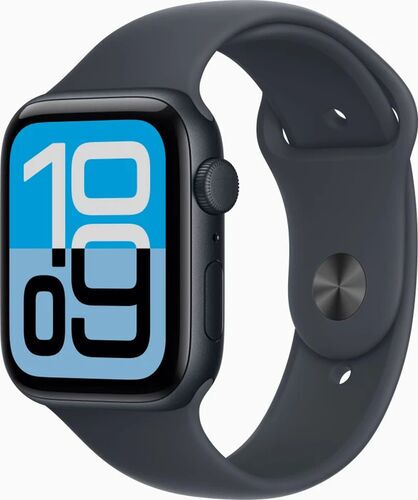
Apple Watch Series 11: the Safe Pick for iPhone Owners
You already own an iPhone, and you want a watch that just works with it, no clunky pairing, no missing features.
Who it's for: iPhone owners who live inside Apple's ecosystem and want message replies, Find My, and Apple Pay on the wrist without pulling out the phone.
A day with it: A meeting notification buzzes on your wrist. You glance down, read the first line, and decide it can wait until lunch, no phone in hand, no interruption.
What to know: The 46mm aluminum case pairs with a sharp 496 x 416 OLED display, and the sensor array, including heart rate, barometer, and thermometer, covers most everyday health tracking. It needs an iPhone 11 or newer running iOS 26, so check your phone's compatibility first.
Bottom line: If you're already an iPhone owner, Apple Watch Series 11 is the safest, most complete pick on this list. If your budget is tighter, the Apple Watch SE 3 covers most of the same ground for less.
Apple Watch SE 3: the Best Starter Pick for a Tight Budget
Not everyone needs every sensor Apple makes. If this is your first smartwatch, or you're buying one for a teenager, the SE 3 covers the essentials without the Series 11 price tag.
Who it's for: First-time smartwatch buyers, parents buying for a teen with an iPhone, or anyone who wants notifications and fitness tracking without paying for extras they won't use.
A day with it: Your teenager gets a location check-in and a text from you between classes, answered with a quick tap, no phone needed at their locker.
What to know: The 44mm aluminum case runs a 448 x 368 OLED display and covers heart rate, barometer, and compass, the sensors most people use day to day. What it drops compared with the Series 11: a thermometer and an electrical heart sensor, plus a smaller display.
Bottom line: Unless you specifically need those extra sensors, Apple Watch SE 3 gets you most of the Series 11 experience for meaningfully less. Step up to the Apple Watch Series 11 only if that difference matters to you.
Google Pixel Watch 4: the Pick for Android Power Users
If your phone is a Pixel, or any Android phone you want to get the most out of, a watch built specifically for Google's ecosystem beats a generic Wear OS device.
Who it's for: Android and Pixel owners who rely on Google Maps, Gmail, and Google Assistant throughout the day and want them on the wrist, not just the phone.
A day with it: Turn-by-turn directions buzz on your wrist while your hands are full of shopping bags, no need to dig the phone out at every junction.
What to know: It runs Wear OS on an aluminum case with an OLED display, plus a sensor set covering heart rate, barometer, and light sensing for everyday health tracking. Check the current listing for battery and connectivity options, since configurations vary by unit.
Bottom line: For Android owners who want the deepest Google integration available on a wrist, Google Pixel Watch 4 is the pick. iPhone owners should look at the Apple Watch Series 11 instead, since Wear OS loses most of its advantages outside Android.
Garmin Fenix 8: Works With Either Phone, Built for Serious Training
Garmin does two things most other brands don't: it works equally well with an iPhone or an Android phone, and it tracks serious training data most smartwatches don't even attempt.
Who it's for: Anyone who doesn't want to be locked into one phone ecosystem, and serious athletes who want structured training data across running, cycling, swimming, and more, not just a step count.
A day with it: You head out for a long trail run and get a full breakdown afterward, pace, heart rate zones, and recovery time, while your partner, on a completely different phone brand, checks the same shared route data later that evening. No app mismatch, no missing features on either side.
What to know: The stainless steel case pairs with a 454 x 454 OLED display, and WiFi, Bluetooth, NFC, and ANT+ connectivity for pairing with sensors and phones alike. Barometer, thermometer, and optical heart rate sensors feed Garmin's training tools, covering multiple sports and recovery tracking, not just daily steps.
Bottom line: Pick Garmin Fenix 8 if cross-platform flexibility and serious training data both matter to you, not just one or the other. Dedicated runners who want a lighter, running-focused option should also look at the Garmin Forerunner 945 below.
Galaxy Watch 8: the Best Fit for Small Wrists and Sleep Tracking
If bulkier sport watches slide around on your wrist, or you want a clearer picture of why you woke up tired, this is the model built around both problems.
Who it's for: People with smaller wrists who found other watches too bulky, and anyone who wants detailed sleep insight rather than just a step count.
A day with it: You wake up to a clear sleep summary instead of guessing why the night felt off, then check it again over coffee before deciding whether to push your workout or take it easy.
What to know: At 40mm and 30 grams, it's one of the lightest options here, with a 438 x 438 OLED display and a sensor set covering heart rate, barometer, and light sensing. It needs Android 11 or newer.
Bottom line: Pick Galaxy Watch 8 over the bulkier Garmin Fenix 8 if fit and sleep detail matter more to you than rugged, all-day training tools.
Best Smartwatches 2026 for Students, Kids, Sport and Health
Students: the real value here has less to do with fitness and more to do with attention. A glance at a notification on your wrist beats unlocking the phone and getting pulled into an unrelated app, and a silent vibrating alarm works well for anyone sharing a room. One honest caveat: most exam settings ban smartwatches outright, so treat this as a study-session tool, not something to wear on test day.
Kids: the TCL Movetime Kids' Watch keeps things simple, location check-ins and a short list of guardian-approved contacts, rather than an app store a child can wander into. Set up always-on messaging deliberately: useful for peace of mind, but worth balancing against how much independence you want your child to have.
Sport: dedicated runners get built-in GPS and training metrics from the Garmin Forerunner 945, or the ruggedised build of the Garmin Fenix 8 above for trail and outdoor use. Either way, treat the marketed multi-day battery figure as a best case: real GPS use during long runs typically drains it faster.
Health: if stress and wellness tracking matter more than sport metrics, the Fitbit Sense 2 is built specifically around that, a different focus from the training-first watches above.
The Little Alternatives: Are Smart Rings Worth It?
Rings promise the same health tracking with none of the bulk, so it's worth asking whether you need a watch at all.
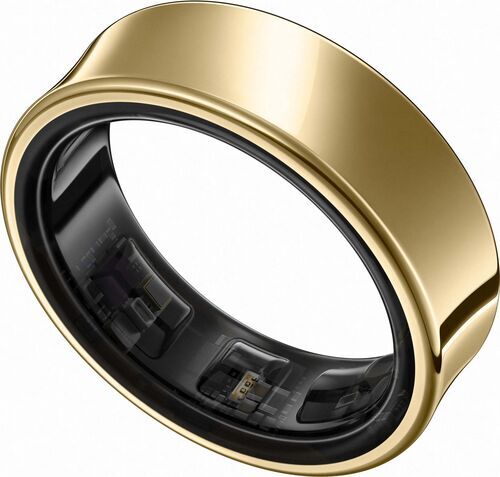
A ring's shell is rigid all the way around your finger. If a lithium battery inside ever swells, a watch case or strap can flex outward to absorb it. A ring can't: it clamps down on the finger instead, and a documented 2025/2026 case involving a Galaxy Ring needed medical removal after exactly that happened. It's a rare failure, but a structural risk unique to the ring form factor.
Rings also struggle during grip-heavy exercise. Weights, pull-ups, and similar movements shift a ring on the finger enough to throw off its optical heart rate sensor, which is why most rings skip real-time heart rate display during workouts entirely. And with no display or GPS of their own, a ring depends entirely on a paired phone to do anything beyond collect data overnight.
Bottom line: for passive, overnight sleep tracking, a ring like the Samsung Galaxy Ring or Oura Ring G3 Heritage does the job well. For anyone active during the day, a smartwatch remains the safer, more capable choice.
Common Mistakes to Avoid When Buying a Smartwatch
Trusting the battery number on the box. Marketed multi-day battery claims are measured under ideal conditions. Turn on GPS tracking or an always-on display and real-world battery life typically runs shorter, so treat the number on the box as a ceiling, not a guarantee.
Paying for last year's flagship features you won't use. A model one or two generations back usually covers the core things most people want: steps, heart rate, notifications, and sleep, for meaningfully less. Check whether the newest sensor or chip changes your day at all before paying extra for it.
A Smarter Choice for the Planet
Buying refurbished keeps a working device in use instead of adding to the pile of discarded electronics. On average, choosing a refurbished device over a new one saves roughly 70kg of CO2 emissions and around 100,000 litres of water, resources that would otherwise go into manufacturing a new unit. If you want a smartwatch and a lighter footprint, refurbished gets you both.
Why Buy a Refurbished Smartwatch From refurbed?
Same watch, better price. Get the model you want without paying full price for new.
Tested and refurbished by professionals. Every watch is checked, cleaned, and reset, with key functions like the display, sensors, and charging tested before it ships.
Peace of mind included. Every purchase on refurbed comes with a minimum 12-month warranty and 30 days to return it if it isn't the right fit.
Refurbished Smartwatch FAQs
Is an older refurbished smartwatch still a good buy in 2026?
Yes. Core features like heart rate tracking, notifications, and step counting have barely changed in the last two or three generations, so an older model refurbished often covers everything you need for less.
Does a refurbished smartwatch's battery still hold up well?
It should. Battery condition is checked as part of the refurbishment process, and worn batteries are replaced when needed, so day-to-day performance shouldn't feel compromised.
Can I trust the health and sleep sensors on a refurbished watch?
Yes. Sensors are tested for accuracy during refurbishment just like any other function, since a smartwatch that misreads heart rate or sleep isn't doing its job.
Ready to Find Your Smartwatch?
Pick the model that matches your life, plug it in, and start tracking, all for less than buying new.

Sign up for our newsletter for the first time and save €15!
Never miss an offer again.
Information about the use of personal data can be found in our Privacy policy.
Get the refurbed app
For iOS and Android


Confirm sign-up
Click the link in our confirmation e-mail to receive your voucher. It will be applicable to purchases from €200.
- © Refurbed Marketplace GmbH
- Accessibility
- T&C
- Privacy Policy
- Imprint
- Legal Notices
- European Data Act
- Cookie Policy