Building a Circular Economy: Why Refurbishment and Recycling Go Hand in Hand
by Sarah Bannemer, on Sep 22, 2026Electronic waste is the world's fastest growing waste stream. As demand for smartphones, laptops and other electronic devices continues to rise, so does the challenge of keeping valuable materials in use and preventing unnecessary waste.
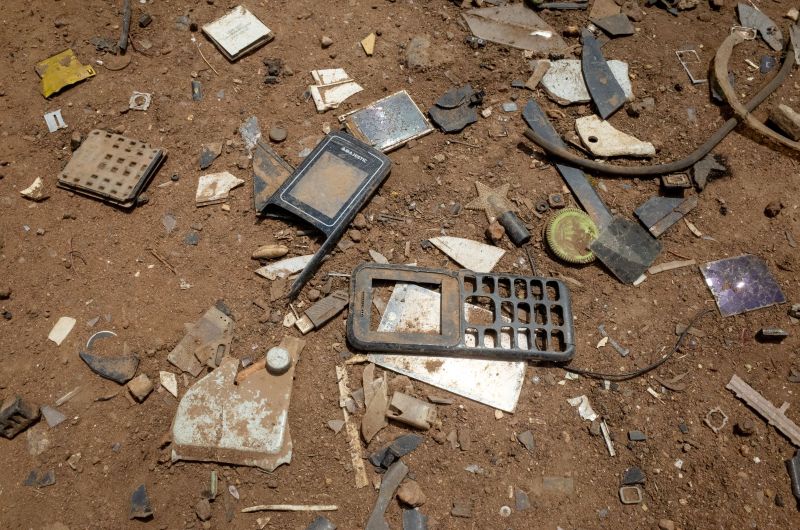
At refurbed, we believe the most sustainable device is the one that stays in use for as long as possible. Choosing refurbished smartphones, laptops and tablets, or even refurbished kitchen gadgets, sports equipment or kid's products, instead of buying new helps extend product lifespans, conserve natural resources and avoid large amounts of electronic waste before it is even created. But a truly circular economy requires looking beyond a device's second life. Eventually, every product reaches the end of its journey, making responsible recycling an equally important part of the solution.
The Power of Refurbishment
In a circular economy, prevention always has one of the greatest impacts. Repairing, refurbishing and reusing electronic devices preserves valuable resources and significantly reduces the need for new manufacturing.
That is why extending the lifespan of technology sits at the heart of our business. Every refurbished product replaces the need for a new one, helping to reduce demand for raw materials while keeping perfectly functional electronics in circulation for longer. If you'd like to learn more about how we put these principles into practice, explore our approach to sustainability and the circular economy.
Recycling Closes the Loop
But even the longest lasting device eventually reaches the end of its life. While refurbishment keeps electronics in use for longer, some products can no longer be repaired and need to be recycled responsibly, helping recover valuable materials and reducing unnecessary e-waste. Building a circular economy therefore requires both extending product lifetimes and ensuring that end-of-life devices are handled safely.
Why We Partner with Minimise
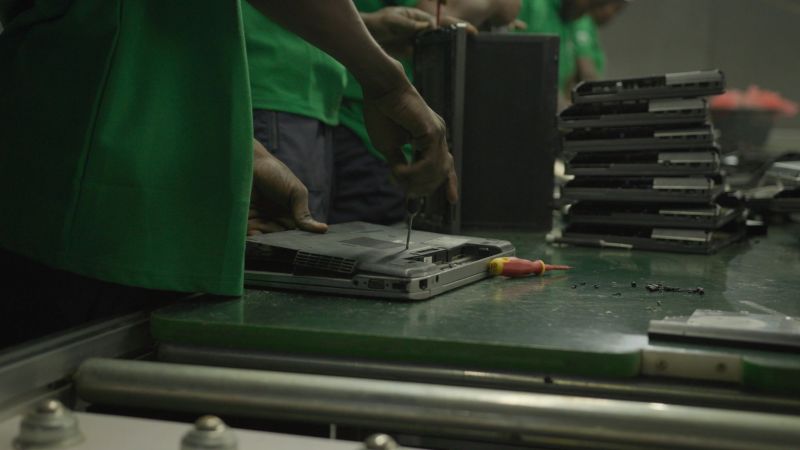
Making sure end-of-life electronics are recycled responsibly requires the right expertise and strong local partnerships. That's why we work with Minimise, whose goal is to help guide valuable resources into new products through responsible e-waste collection and recycling projects in the Global South.
Working with a network of local partners, Minimise helps connect e-waste collection with formal recycling systems, ensuring that electronics are processed safely and responsibly. By documenting every stage of the process, they make recycling transparent, traceable and verifiable, while also helping strengthen local collection infrastructure.
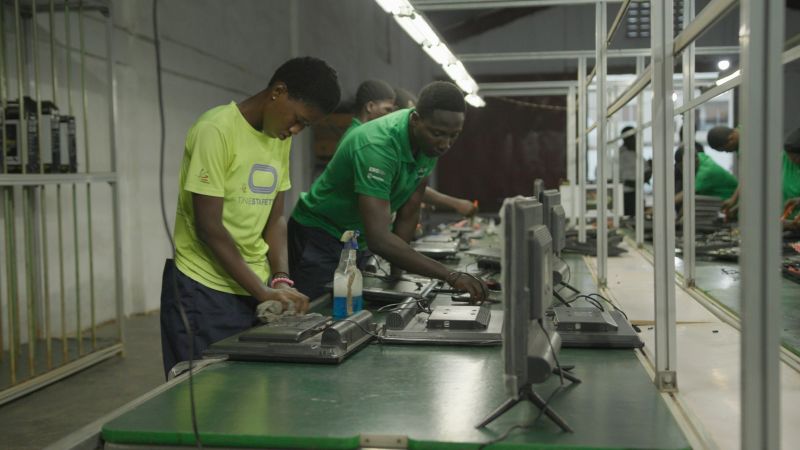
Since the start of our partnership, we've supported e-waste collection and recycling projects in Ghana, Mexico and Zambia. What began with mobile phones has since expanded to mixed e-waste, allowing us to support the responsible handling of a wider range of end-of-life electronics. In 2026, we're deepening our commitment by focusing our efforts on Ghana, where we aim to support the collection and recycling of 20,000 kilos of e-waste. Our documentary offers a behind-the-scenes look at the local recycling process and the people making this work possible.
Looking towards a more circular future
Neither refurbishment nor recycling alone can solve the global e-waste challenge. A truly circular economy depends on both keeping products in use for as long as possible and ensuring that valuable resources are recovered once they reach the end of their life.
Partnerships like ours demonstrate how these approaches complement one another. By combining longer product lifetimes with responsible e-waste collection and recycling, we can help reduce electronic waste, recover valuable materials and build a more circular future for electronics.